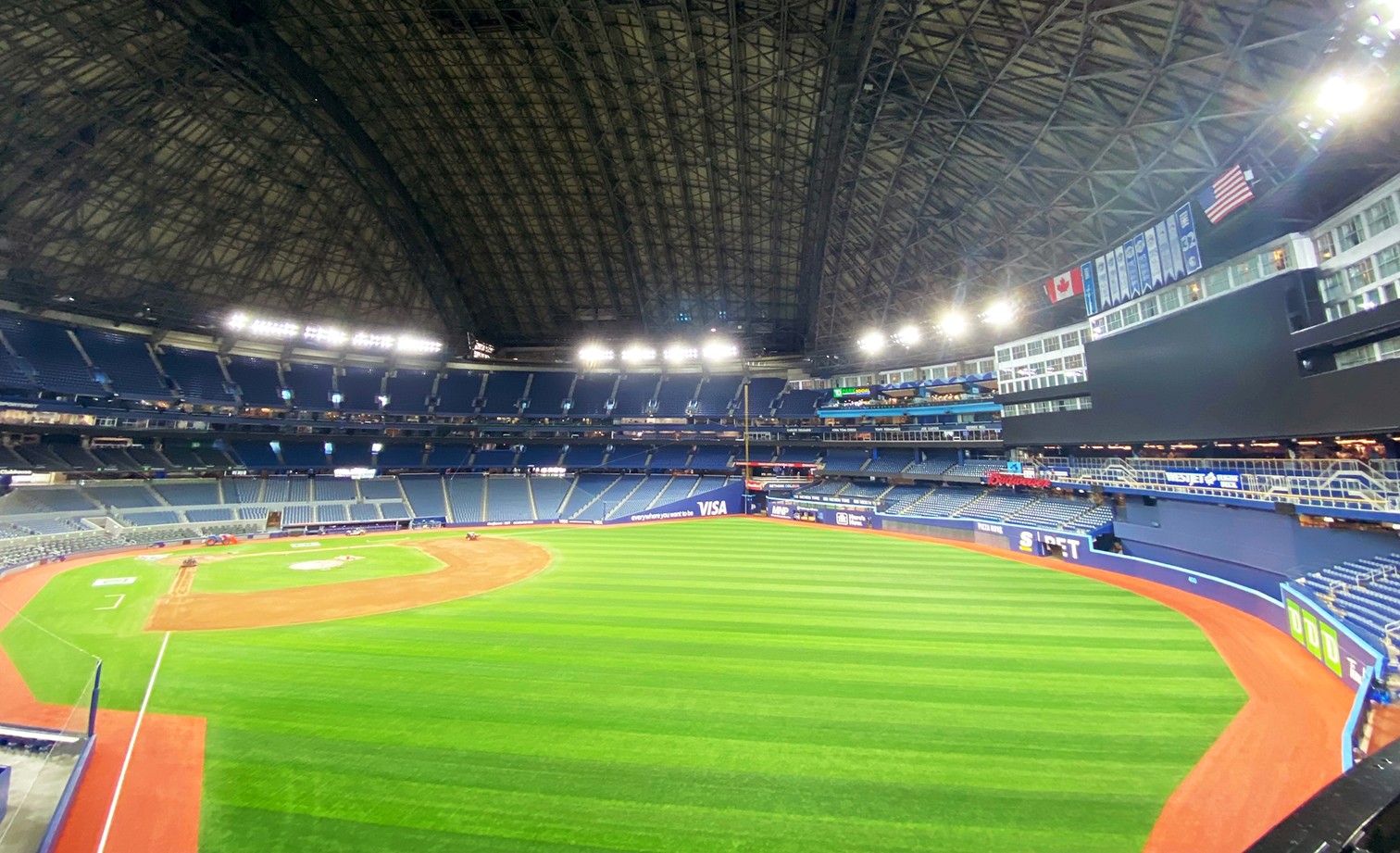
Sunday night’s inaugural concert at Toronto’s brand-new Rogers Stadium should have been a celebration. With global K-pop sensation Stray Kids kicking off the venue’s opening, expectations were sky-high. Instead, what unfolded was a sobering reminder that when it comes to massive live events, logistics matter just as much as the show.
Concertgoers took to social media in frustration, describing an exodus that took up to two hours to complete. Fans were packed shoulder to shoulder, confused about which way to exit, and left without adequate lighting or signage to guide them. And while the Toronto Transit Commission insists it maintained a “manageable passenger flow,” it’s hard to square that with the sea of people trying to squeeze out of Downsview Park without any real sense of direction.
To their credit, Live Nation Canada — the event’s operator — has acknowledged these issues and says they are already “making adjustments.” According to Wayne Zronik, the company’s president of business operations, changes are being made based on fan and community feedback, including improved signage, lighting, and additional water stations. That’s a start. But it also raises a question: why weren’t these elements in place for the very first show?
Opening night should never feel like a dress rehearsal, especially not when dealing with tens of thousands of attendees. Safety and crowd control are non-negotiable, and while the excitement of a big concert can mask a few small glitches, it can’t excuse major ones like unclear exit routes and overwhelmed transit access.
There’s also the issue of fans feeling the upper grandstand seats shake. Live Nation insists this is a normal feature of the stadium’s flexible design and that it “exceeds international safety codes.” Fair enough — but that’s probably something they should’ve communicated clearly to fans beforehand. No one wants to feel like they’re in a vibrating bleacher during a concert, no matter how “normal” the engineers say it is.
City Councillor James Pasternak is now stepping in, holding meetings with Live Nation and Northcrest Developments to find solutions. The TTC, too, is evaluating how it can better support future events, possibly by beefing up staff presence at key stations. These are encouraging signs that people are taking the growing pains seriously — as they should.
Because let’s be honest: if this was the chaos during the first show, what happens when Coldplay comes to town next week for four performances?
The silver lining here is that these problems surfaced early. This is a chance for all parties — the stadium operators, the city, and transit officials — to make real changes before the situation becomes more than just inconvenient. With fan experience on the line, getting it right isn’t optional — it’s essential.
Rogers Stadium has the potential to be a jewel in Toronto’s live entertainment crown. But only if the behind-the-scenes infrastructure can keep up with the spotlight.