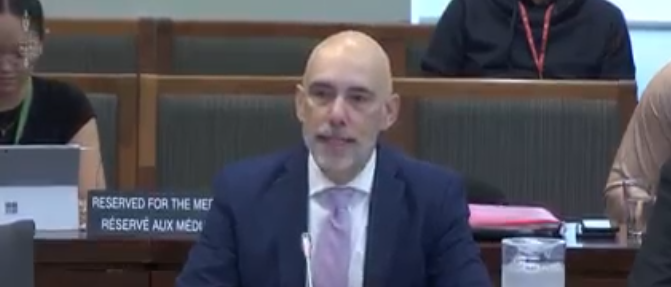
The Parliamentary Budget Officer, Yves Giroux, made headlines this week — not for dramatic new projections, but for what he couldn’t say. And what he couldn’t say is exactly the problem.
Canada’s federal finances are in a precarious moment. Defence spending is surging. A costly new tax cut is on the books. Economic growth is stalling. Yet, despite this flurry of activity — and the very real pressures on our public purse — the government has not released a spring budget, nor even a meaningful fiscal update.
That silence is deeply troubling.
Giroux, Canada’s fiscal watchdog, put it plainly: “Being the parliamentary budget officer, not having a budget is a big gap.” That’s an understatement. Without a budget, he can’t tell Parliament — or Canadians — whether the government’s finances are sustainable, whether its new defence promises are affordable, or whether the fiscal anchors it once touted still hold any weight.
The Liberals’ pre-election projections pegged the deficit at $42 billion. Giroux now estimates that number could hit as high as $70 billion due to fresh spending promises, particularly a fast-tracked plan to meet NATO’s defence spending target this year. That’s $9.3 billion in military funding and $4.3 billion in aid to Ukraine — both significant and arguably necessary investments, but ones made without clear offsets or strategy.
Meanwhile, the government is also pushing through a one-point cut to the bottom income tax bracket. A separate PBO report this week pegs the cost at $28 billion over five years. Combine that with declining exports due to a growing trade war with the United States, and Canada’s fiscal cushion is shrinking fast.
The government has said it plans to split its budget into capital and operating streams and balance the latter within three years. That sounds responsible — until you realize no one, including the PBO, knows what will count as operating spending. Without defined benchmarks or published criteria, this goal is meaningless.
Giroux rightly noted that even if the government hits its operating targets, ballooning military spending and capital projects could still push up the national debt — and breach the previous fiscal anchor of maintaining a declining debt-to-GDP ratio. In fact, both of Ottawa’s former fiscal guardrails — the debt ratio and the sub-one-percent-of-GDP deficit ceiling — seem to have been quietly shelved, replaced by vague promises and unverified intentions.
Of course, government has been busy. Prime Minister Mark Carney has had a packed calendar, from King Charles’ visit to the G7 summit and now the upcoming NATO gathering. But that’s no excuse. As Giroux rightly pointed out, public servants at the Department of Finance could have easily provided a basic update for Parliament before its summer recess.
This isn’t just about numbers. It’s about transparency, accountability, and democratic responsibility. In a time of economic uncertainty, Canadians deserve to know how their money is being spent and whether the path we’re on is sustainable.
Without a clear fiscal framework, Parliament is being asked to fly blind. That’s not just unfair to legislators. It’s unfair to every Canadian taxpayer.
The government’s credibility on financial stewardship is now tied not just to its spending decisions, but to its willingness to be honest and transparent about them. Until that happens, skepticism is not just understandable — it’s necessary.