Why Pierre Poilievre Should Stay On as Conservative Leader — Even After a Tough Loss
Patrick D Costa
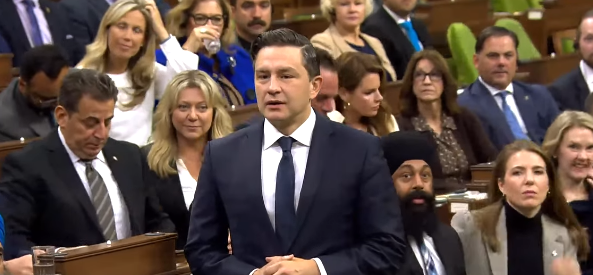
Pierre Poilievre’s loss in both the federal election and his own seat on Monday might seem like a crushing blow. For many political leaders, that kind of result would mark the end of the road. But in Poilievre’s case, it might just be the beginning of a second act — one his party needs.
Despite the disappointing outcome, Conservative support under Poilievre actually grew. The party captured 144 seats and over 41 per cent of the popular vote — a modern-day record for Conservatives since the party’s reformation in 2003. That’s no small feat. And it’s why there’s a growing consensus, even among longtime party strategists and MPs, that he should stay on as leader.
Kory Teneycke, a seasoned Conservative insider, said it best: “He’s not going anywhere.” Teneycke was one of Poilievre’s harshest critics during the campaign, even calling some of the strategy “campaign malpractice.” But he now acknowledges that the campaign recovered and finished strong. That pivot and momentum at the end could be key to building toward a win next time around.
More importantly, the caucus elected this time around is full of Poilievre loyalists — candidates who won their ridings in part because of his leadership and message. These are not MPs looking to hit the reset button. These are MPs who want to build on what they see as a solid foundation. If anything, they seem ready to double down on Poilievre’s vision.
Veteran MP Mark Strahl didn’t mince words. He called the campaign under Poilievre’s leadership the best he’s ever been part of, saying it “consolidated, expanded and inspired” the Conservative movement. That kind of endorsement isn’t just about loyalty — it’s about a belief in the long game.
Of course, the optics of losing your own seat are tough. And the logistics are awkward — the Conservatives will now have to appoint someone to represent the party in the House while Poilievre sits out, and an MP will likely need to step aside to give him a riding to run in. But these are solvable problems, not fatal ones.
Both Andrew Scheer and Erin O’Toole were forced out after single election losses. That revolving door of leadership didn’t do the party any favours. Stability matters. Ideas need time to take root. And Poilievre, like it or not, has managed to energize a significant segment of the electorate — especially younger voters and working-class Canadians who haven’t always felt represented by the traditional Conservative message.
Amanda Galbraith, a well-connected Conservative commentator, says it plainly: “I honestly have not heard any rumblings about anyone wanting him removed.” If the base, the caucus, and the strategists are all on the same page, then it’s time for the party to stop self-sabotaging and start building for the future.
Yes, the election was a loss. But it wasn’t a wipeout. It was progress. And in politics, progress is momentum — if you’re willing to see the bigger picture. For now, Pierre Poilievre remains the Conservatives’ best bet. Let him lead.