Caught in the Crossfire: How U.S. Tariffs Are Forcing the Bank of Canada Into a Corner
Arafat Rahman
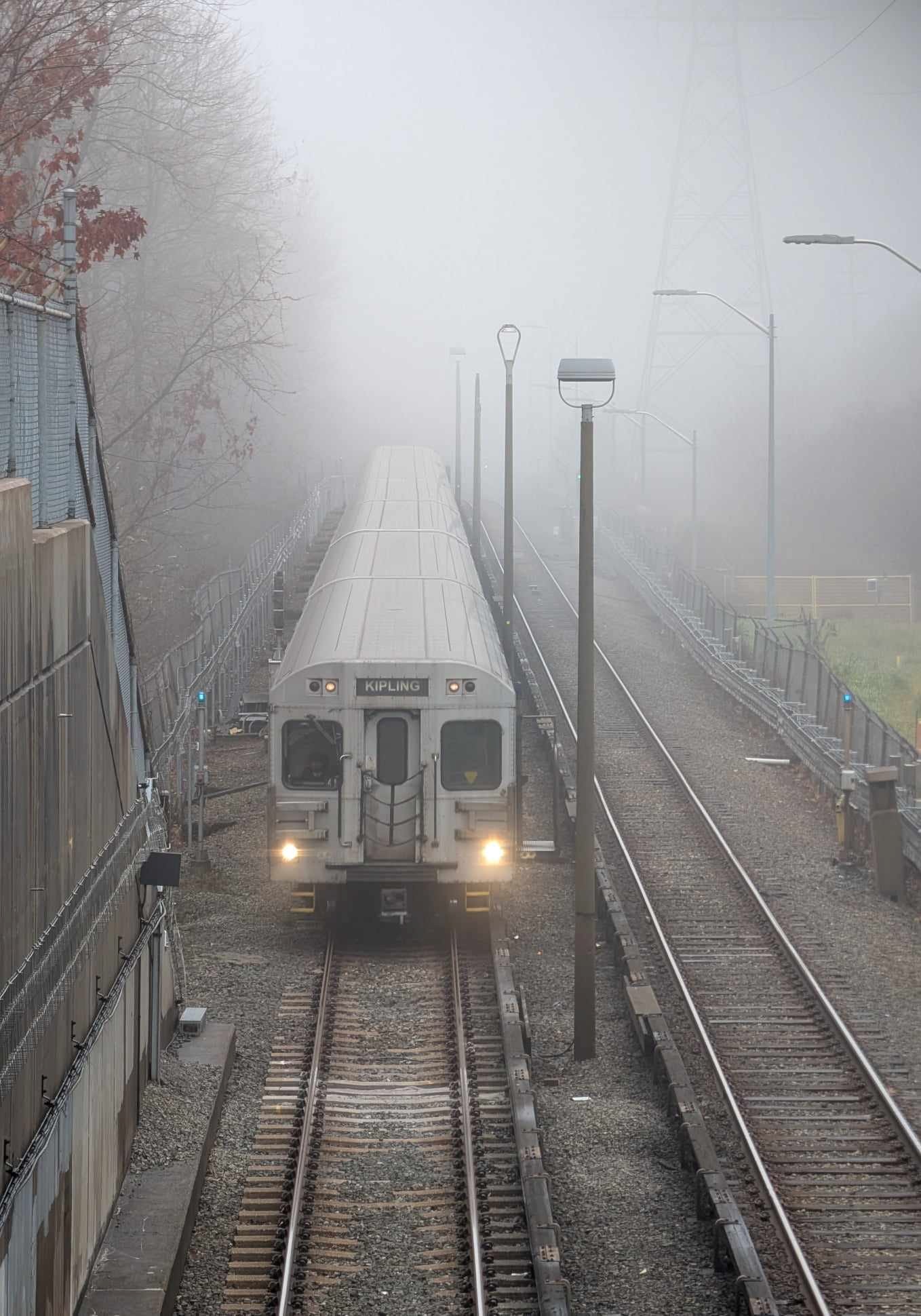
In an age of economic volatility, one thing has become painfully clear: central bankers are increasingly flying blind. The Bank of Canada’s recent decision to hold its benchmark interest rate at 2.75 per cent was not made from a place of confident forecasting, but from the foggy depths of global uncertainty — particularly the kind stirred up by the United States’ ever-changing trade policy.
U.S. President Donald Trump’s April 3 rollout of so-called “reciprocal” tariffs sent yet another shockwave through global markets. These weren’t isolated measures either — they followed a series of previous tariffs that had already bruised Canadian exporters, especially in sectors like steel, aluminum, and automobiles. Canada, predictably, responded with $60 billion in counter-tariffs. But as the tit-for-tat continues, businesses on both sides of the border are left spinning.
Caught in the middle is the Bank of Canada, which must make pivotal decisions about interest rates while trying to balance two conflicting forces. On one side, tariffs drive up costs — leading to inflation. On the other, they reduce demand for exports, which threatens economic growth. It’s a no-win situation, and central bankers know it.
According to the summary of deliberations released last week, the Bank’s governing council grappled with two options: a quarter-point rate cut or a hold. Some members argued that the chaos in the stock markets and fears of a U.S. recession warranted proactive easing. But others warned that cutting rates too soon could backfire if inflation rears its head due to rising import costs.
In the end, they chose to hold — not out of confidence, but caution. “They should be less forward looking than usual,” the summary said. In other words, the fog was too thick to see far ahead.
This isn’t just a Canadian problem. Around the world, central banks are confronting a new era where traditional economic models are increasingly mismatched with geopolitical realities. The Bank of Canada’s approach was telling: instead of issuing a standard forecast, it modeled two vastly different scenarios. One assumed temporary tariffs and tame inflation. The other imagined long-term tariffs, a recession, and inflation climbing above three per cent.
That range says it all.
In a world where the most powerful economy can pivot its trade stance overnight, long-term forecasting becomes a guessing game. Even the Bank of Canada conceded it couldn’t make sense of U.S. policy anymore. “It was not useful to try to pinpoint the position of U.S. trade policy,” the summary read. That’s about as close as central bankers get to throwing up their hands.
To their credit, the Bank of Canada is trying to develop a framework to assess how these trade tensions will ripple through inflation, investment, employment, and consumer confidence. But they admit the math isn’t easy. Tariffs might push prices up or down, depending on how quickly businesses pass costs on to consumers and how severely demand drops. That’s a balancing act with no clear center.
For now, the council believes the Canadian economy ended 2024 in decent shape, though clouds are gathering for 2025. Lower oil prices and the removal of the carbon tax are helping tamp down inflation, but that relief may be short-lived. The bigger concern is whether prolonged trade chaos drags Canada into recession territory — and if it does, whether monetary policy will be nimble enough to respond.
This moment underscores something larger: economic policy can’t be made in a vacuum. Central banks are increasingly hostage to geopolitics, forced to react to decisions made by leaders who think more about polls than inflation curves. For Canada, and for the world, that’s a dangerous new normal.