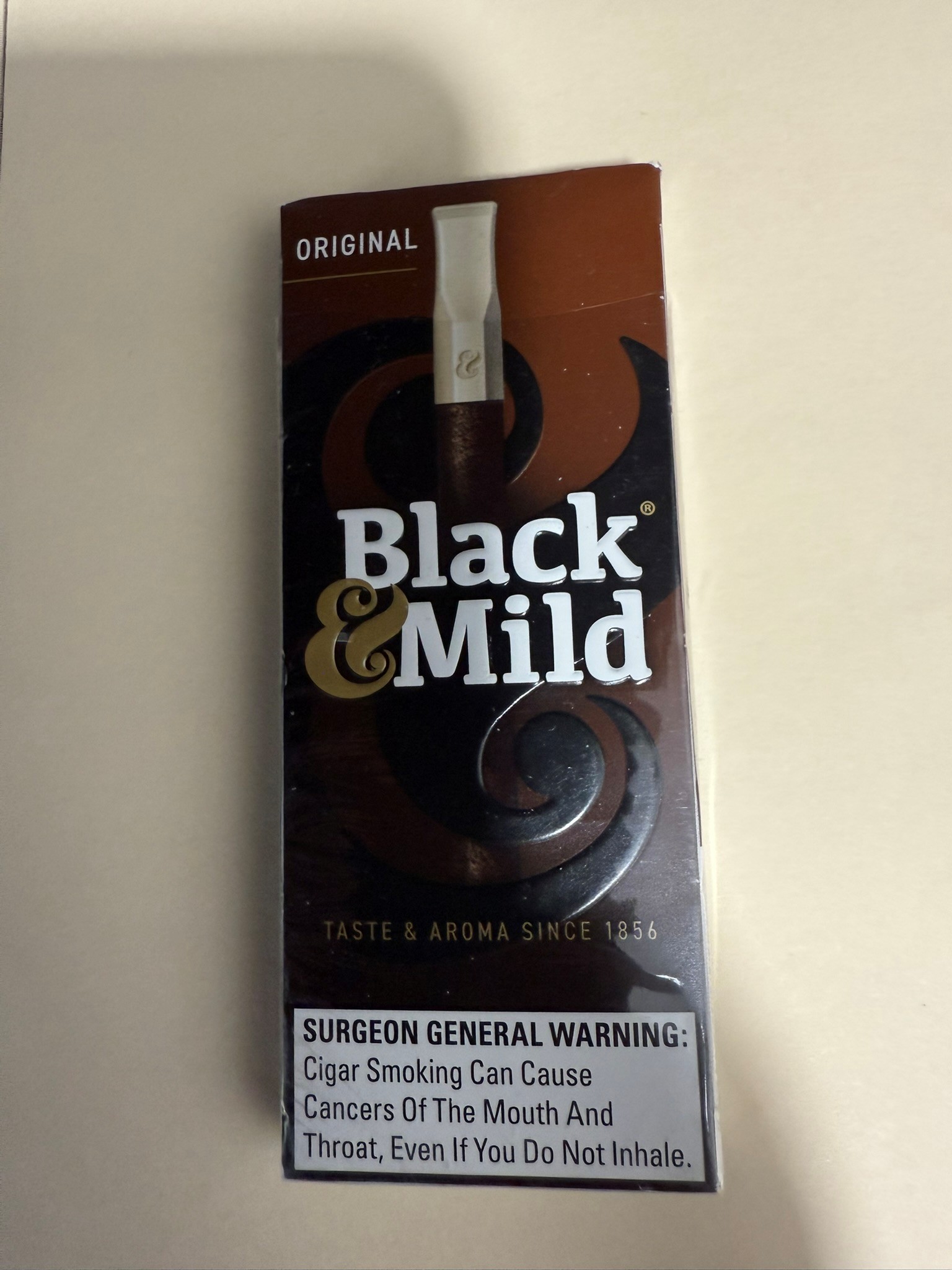
The approval of a $32.5 billion settlement between three major tobacco companies and Canadian provinces, territories, and ex-smokers is undoubtedly historic. Ontario Superior Court Chief Justice Geoffrey Morawetz called it a “momentous achievement in Canadian restructuring history,” and on the surface, it certainly looks like a landmark victory for those affected by the tobacco industry’s decades of deception. But as we celebrate this milestone, we must also ask: Is it truly enough?
For years, JTI-Macdonald Corp., Rothmans, Benson & Hedges, and Imperial Tobacco Canada Ltd. have profited immensely while knowingly selling a product that causes addiction, disease, and death. This settlement, which has been years in the making, ensures these companies will pay more than $24 billion to provinces and territories over the next two decades. Additionally, plaintiffs in two Quebec class-action lawsuits will receive over $4 billion, $2.5 billion will compensate other affected smokers, and more than $1 billion will fund a foundation to fight tobacco-related diseases.
While these numbers seem impressive, let’s not forget that Big Tobacco has long mastered the art of damage control. Their business model has always been about maximizing profits while minimizing responsibility. The decades of suffering, loss of life, and the immense financial burden placed on the healthcare system cannot be undone by even the largest monetary settlement. And, despite these payments, tobacco companies will continue to operate, selling a product that remains legal despite its well-documented harm.
One critical question is whether the money will be used effectively. The provinces and territories will receive billions—funds that should be reinvested into healthcare, smoking cessation programs, and public awareness campaigns. However, history has shown that settlements of this scale don’t always translate into meaningful change. Will governments truly dedicate these funds to fighting tobacco addiction and preventing future harm, or will they get lost in the shuffle of general budgets?
Furthermore, while some ex-smokers and victims will receive compensation, the reality is that no amount of money can bring back the lives lost to tobacco-related illnesses. Families who watched their loved ones suffer through lung cancer or emphysema will not feel justice in the form of a check. This settlement, while a strong step forward, is merely a band-aid on a wound that the tobacco industry has inflicted for generations.
Perhaps the biggest concern is that tobacco companies will simply absorb these payments as a cost of doing business. They have been through lawsuits before. They have seen regulations tighten. And yet, they continue to operate and profit. If history is any indicator, these companies will adjust, raise prices, or find ways to recoup their losses—often at the expense of the consumer.
The tobacco industry’s ability to survive and thrive despite overwhelming evidence of the harm it causes should serve as a wake-up call. This settlement must be accompanied by stronger regulations, tighter advertising restrictions, and more aggressive public health campaigns. Otherwise, we risk repeating the same cycle: a major lawsuit, a massive settlement, and a business that continues largely as usual.
So yes, this settlement is a victory. But it is not the final one. If we truly want to hold Big Tobacco accountable, we need continued action, not just historic payouts. The real measure of success will be whether fewer Canadians suffer and die from smoking-related illnesses in the future—not just how much money is changing hands today.