What Books to Read and How to Choose Them?
If you were Salimullah Khan or aspired to be like him, you could read any book because you would have an abundance of time at your disposal. But you are a laborer of idleness—one hand occupied with a mobile phone, the other engaged in the struggles of life and livelihood. So, you likely do not have enough time to read Kulsum’s love poems, Akkas’ heartbroken novel, or Badrul’s esoteric history.
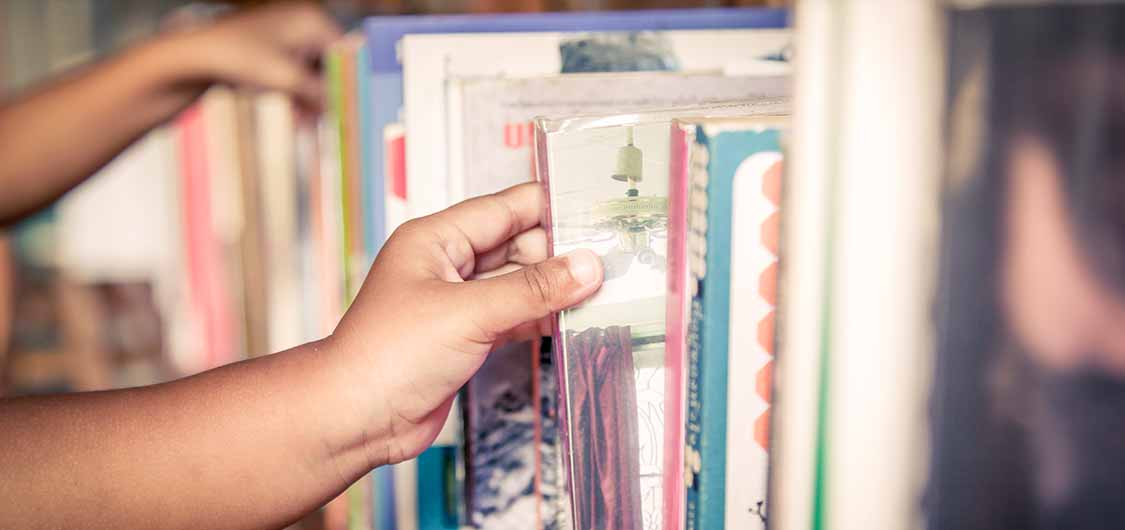
Reading poor-quality books can ruin your taste in literature! Since you have limited time, it’s better to read a selective five to ten books. Even one or two well-chosen books can shift your way of thinking. Sometimes, a single book is enough to change your perspective on life. The key is to find that one impactful book. But the big question is: what kind of books should you read?
With millions of books available, how do you select just a few? How do you determine what type of books you should be reading? The best way is to talk to those who have read at least a hundred books. They can guide you toward one or two books that might shake your thought process, challenge your limitations, and inspire you to read more. Once reading becomes enjoyable, no other pleasure in the world can surpass the joy of books.
However, if you aspire to be a scholar, if you want to make a living by selling knowledge, or if you wish to write and speak effectively, then there is no alternative to reading countless books. You will have to go through an enormous number of pages, consider different perspectives, and seek logic to attain true understanding. Those who read and those who don’t—these two groups can never be equal.
But even in extensive reading, caution is necessary. If an author’s intellectual standard is less mature than that of the reader, it is better to avoid their works. Writers who struggle with sentence structure, poor word choice, or frequent spelling errors should be skipped for the sake of quality reading. In the early stages of developing a reading habit, it is best to avoid research-heavy books. Starting with simple and engaging books helps to establish a lasting habit.
While reading, a cup of tea or coffee can be a good companion—but a mobile phone in hand is not.
May your reading habit be enjoyable and fulfilling!


![Three smiling women sit on a colorful padded floor, posing with a large sign that reads Canada Child Benefit and its French translation, in a community setting with a pillow saying This Classroom Runs on Kindness nearby.]','Three women pose for a group photo indoors, holding a white board about the Canada Child Benefit and its French equivalent, with colorful circles in the design and a kindness-themed cushion nearby.'] }``` Wait formatting wrong. We must provide proper JSON. Let's craft properly. Provide 5 options. Ensure no stray quotes. Let's produce proper JSON. Use single quotes in descriptions? Must be double quotes. I'll provide array of strings. Ensure no stray characters. Let's do. } For safety. Let's output.} Let's craft final.} Wait earlier included typos. Let's deliver.]]>](https://www.thesouthasiajournal.com/wp-content/uploads/2026/07/12-2-390x220.jpg)