Toronto’s World Cup Gamble Poised to Pay Off as Ticket Investments Near Sell-Out
Arshad Khan
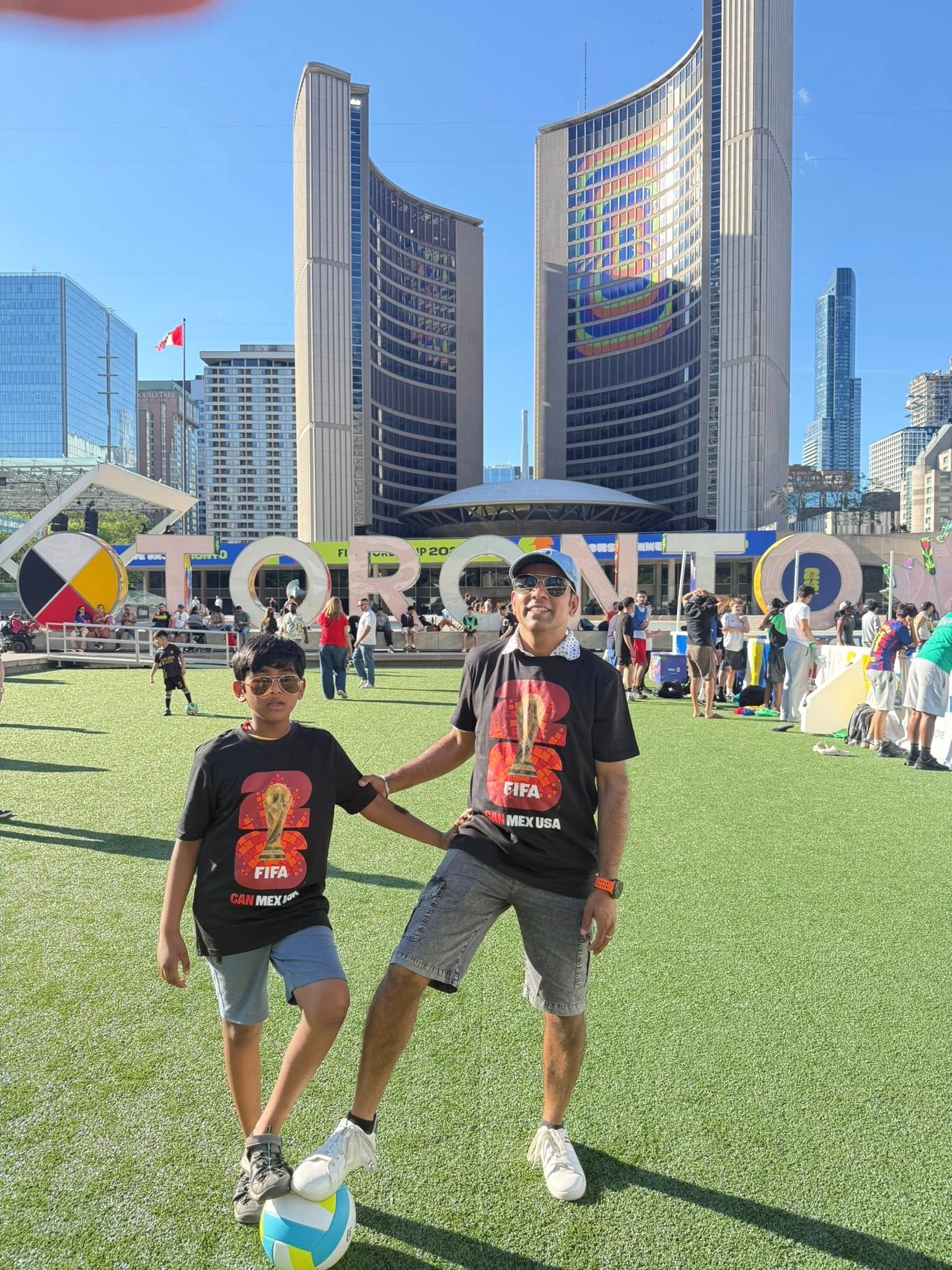
With just a week left before the first whistle blows to kick off the 2026 FIFA World Cup at Toronto Stadium, city officials are breathing a sigh of relief. A controversial municipal strategy to use taxpayer dollars to buy up thousands of choice match tickets as an investment is on the verge of fully paying off.
Last year, the City of Toronto utilized its unique host city privileges to quietly purchase 3,546 general admission tickets across the six international matches scheduled to be played locally. The intent behind the multi-million-dollar gamble was explicit: flip the tickets for a premium profit and funnel those revenues directly back into municipal event coffers.
Now, on the eve of the tournament, the risk appears to have reaped rewards.
According to city spokespeople, less than 70 of the originally purchased tickets remain on the books. Officials fully anticipate clearing out the remaining inventory through Host City Donor agreements before the opening match.
“There are currently less than 70 unsold tickets of the 3,546 tickets purchased, and these are expected to sell out… ensuring a return on the City of Toronto’s investment, and providing access to this historic event,” a city representative confirmed.
The city’s aggressive revenue generation strategy did not just focus on standard seats; officials also poured millions into high-end hospitality packages meant for corporate resale. Additionally, a block of 52 general admission tickets was withheld from the market to run a public promotional sweepstakes.
While municipal reps have declined to share the exact bottom line or the net profit margin they expect to take home, they did confirm that the initial multi-million-dollar upfront spend has been entirely covered. Any remaining ticket sales will translate into pure profit.
The buyers, according to city records, have been a mixed bag ranging from flush corporate entities to highly organized, passionate fan bases desperate for a seat to see their home countries play on Canadian soil.
The financial relief comes at a critical time. Hosting the World Cup is a massive financial undertaking for the city. The total price tag for Toronto’s leg of the tournament is currently pegged at a staggering $380 million.
While federal and provincial governments have pitched in funding, the City of Toronto is saddling the largest individual share of that bill. For the duration of the tournament, the city’s landmark BMO Field has been fully rebranded as Toronto Stadium to meet strict FIFA marketing regulations.
The tournament action kicks off on June 12 with a high-stakes Group B matchup featuring the hometown Canadian Men’s National Team taking on Bosnia and Herzegovina. If the city’s sales data is any indication, the stands will be packed to the brim, vindicating a financial gamble that had plenty of local onlookers nervous.